Pipeline Surveillance Alleged to Be Organized Fraud Enriching Few, Niger Delta Activists Say
- by Fejiro, Delta State, HSN
- about 11 hours ago
- 146 views
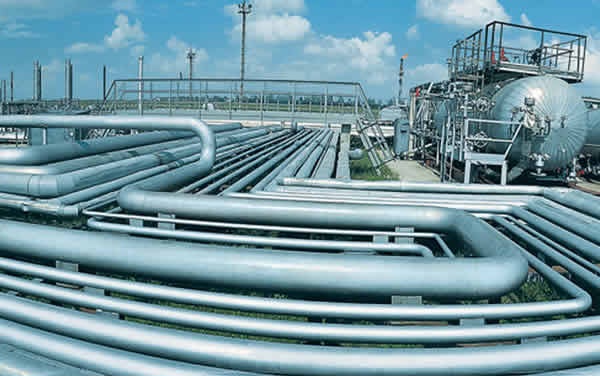
Residents and activists across the Niger Delta are accusing a network of contractors, political figures and security actors of running a systematic, decades-long fraud through the region’s pipeline surveillance contracts — a scheme they say benefits a narrow group while leaving tens of millions of Niger Deltans dispossessed.
In an impassioned statement circulated ahead of a planned “Day of Rage,” protest organizers and community leaders say the surveillance programme — nominally established to protect crude infrastructure from theft and vandalism — has been captured by a handful of operators who pocket the bulk of the revenue. “It is like paying armed robbers money not to steal again,” reads a key line from the statement. “They are robbing you blind. Robbing your children. Robbing your future.”
Allegations, scope and beneficiaries
The complaint centers on contracts awarded to private firms and security providers that handle pipeline protection across the Delta. Protesters identify two companies repeatedly: Tantita and Maton Engineering, and point to Matilda Group — a firm they say was registered in Abuja less than two years ago — as a conduit for major contracts worth billions of naira. Activists contend that those contracts are steered away from long-standing local contractors and community-managed outfits, and toward newly formed firms and outside interests, including foreign-linked entities.
“These businesses didn’t exist two years ago and now they’re billionaires off YOUR oil, YOUR pipelines, YOUR land,” the statement said, accusing partisans of promoting pricey celebrity appearances and other expenditures while excluding Delta communities from meaningful shares of the surveillance revenue.
Organizers accuse a wider circle of beneficiaries, naming members of the political class, military officers and senior officials within the Nigerian National Petroleum Corporation (NNPC) as sharing in the proceeds. Protest literature claims that the proceeds financed political campaigns and bought patronage across the capital, charges that the coalition says can be seen in electoral mobilization and ground-level campaign activity in Abuja.
Demand for local control and transparency
At the heart of the movement is a demand for inclusion: protesters call for each community to manage its own pipeline surveillance resources or for revenue to be equitably shared across the Niger Delta. “No one company or man is bigger than the Niger Delta,” the statement declares. “Either the wealth flows to ALL, or it flows to NONE.”
Organizers insist their call is not for wholesale shutdown but for a review of contracts and an immediate redistribution of surveillance assignments to local unions, development organizations and indigenous contractors with established track records. They point to past controversies — such as the sidelining of local investors in other oil-sector ventures — as precedent for what they describe as systemic exclusion and opportunistic deal-making.
Risk of escalation
Protest leaders warn that continued exclusion risks escalation. “If the government only yields to violent people, it will only create more of such people whose legitimate demands are not met,” the statement says, while also asserting that denial of redress will transfer the burden of law and order onto marginalized communities who feel cheated of their resources.
The statement references prior attempts by local actors to secure a larger stake in surveillance arrangements — including alleged tactical appointments and corporate restructurings that activists say were too little, too late. Campaigners argue those moves have not altered the concentration of contracts in the hands of a few.
Responses sought
The coalition behind the Day of Rage calls on federal authorities, the NNPC, and security agencies to open the surveillance contracts to independent audit, to publish beneficiaries and procurement documents, and to implement community-based surveillance pilots overseen by Niger Delta stakeholders. “Give us a share at the table, let every community handle their pipelines,” the statement urges.
The authors also allege intimidation and threats linked to public criticism, naming individuals they say have vowed to retaliate against those who raise the issue. The statement’s author warned that silence from the majority will only deepen the marginalization of Delta communities.
What’s next
As mobilization builds, activists say they will press for contract reviews and transparency measures, and stand ready to escalate civil action if authorities do not respond. “If the wealth won’t flow round, then let it not flow at all,” the statement concludes. “Guard your pipeline, make I guard my own.”
Requests for comment sent to the companies named in the protest literature, to the NNPC and to federal procurement authorities have yet to receive public responses. Protest leaders say they will maintain pressure through demonstrations and by demanding parliamentary and audit scrutiny of pipeline surveillance procurement and payments.
Contact: Fejiro Oliver, Voice of the Streets.

0 Comment(s)